


A Critical Reminder: Colon Cancer Is Rising in Younger Adults
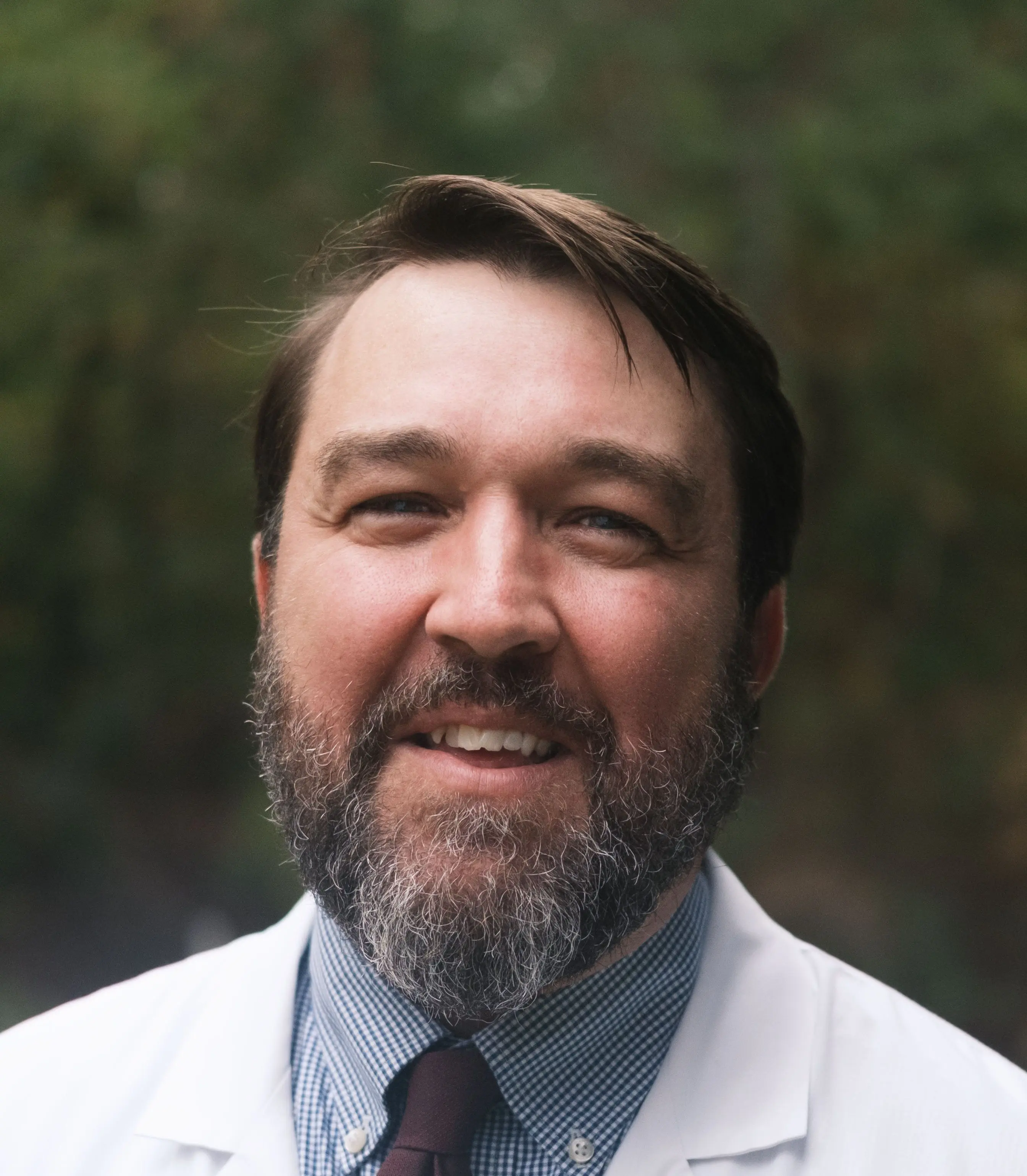
By Peter Bechtel, MD
General Surgeon, Blue Ridge Regional Hospital
Recent news of a 48-year-old actor’s death from colon cancer has brought renewed attention to a disease that many still associate primarily with older adults. While any loss at such a young age is heartbreaking, it also highlights an important public health message: colorectal cancer is increasingly affecting younger people — and many may not realize that screening guidelines have changed.
For decades, routine colorectal cancer screening began at age 50 for people at average risk. In recent years, that recommendation was lowered to age 45 by major medical organizations, including the American Cancer Society and the U.S. Preventive Services Task Force. The change was made in response to growing evidence that colorectal cancer rates are rising among adults under 50.
Many people are simply unaware of this update. Screening recommendations do evolve as medical science advances, and unless you’ve had a recent conversation with your healthcare provider, you may not know that the starting age has changed. Increasing awareness of this shift is critical.
Colorectal cancer is now one of the fastest-rising cancers in adults under 50. In fact, approximately one in five new colorectal cancer cases occurs in individuals under age 55. Researchers are still working to fully understand why rates are increasing in younger adults, but factors may include lifestyle changes, obesity, dietary patterns, and environmental influences.
What we do know is that early detection dramatically improves outcomes. When colorectal cancer is found at an early stage, survival rates exceed 90 percent. Even more importantly, screening can prevent cancer entirely by identifying and removing precancerous polyps before they develop into invasive disease.
Colonoscopy remains the gold standard for colorectal cancer screening because it allows physicians to both detect and remove precancerous polyps during the same procedure. At Blue Ridge Regional Hospital, I perform colonoscopies locally so patients in our mountain communities can receive high-quality screening close to home, without the need to travel far for care. Having access to preventive services within your own community makes it easier to stay on schedule with recommended screenings and take proactive steps to protect your health.
It’s also important to emphasize that colorectal cancer does not always present with obvious symptoms in its early stages. That’s why screening is recommended even when you feel completely healthy. Still, warning signs should never be ignored at any age. These can include:
- Blood in the stool
- Persistent abdominal pain
- Unexplained weight loss
- Changes in bowel habits
- Ongoing fatigue
If you experience any of these symptoms, you should speak with your primary care provider promptly.
Lowering the screening age from 50 to 45 reflects the reality of what physicians are seeing across the country. Unfortunately, screening rates among adults ages 45 to 49 remain lower than recommended, often because people simply don’t realize they are now eligible.
If you are 45 or older and have not been screened, now is the time to talk to your primary care provider. If you have a family history of colorectal cancer or certain genetic conditions, you may need screening even earlier.
Raising awareness about updated screening guidelines can save lives. Early detection offers more treatment options, better outcomes, and in many cases, complete prevention.
Colon cancer is increasingly affecting younger adults. But with informed action, it is also one of the most preventable cancers we face.
If you’re 45 or older, schedule a screening. It’s one of the most important steps you can take for your long-term health.