


When most of us think of medical emergencies, we often think of the ones that impact adults — crises like heart attack and stroke. However, in the course of a year, about 30 million sick or injured children arrive at hospital emergency departments (ED) across the country, according to the American Academy of Pediatricians.
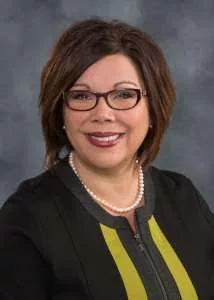
We are fortunate to have pediatrician Dr. Joanna Storey on the Blue Ridge Regional Hospital (BRRH) staff. Her knowledge, talent, and skills are great gifts to our community, and enable her to treat a wide range of patients who visit us with pediatric emergencies.
Dr. Storey attended medical school at the University of Mississippi and did her pediatric training in Boston at Massachusetts General Hospital. She worked in private practice caring for babies and children in Jackson, Mississippi for 25 years. We’re honored to have Dr. Storey serving our community now. She and her husband were attracted to Western North Carolina because they had taken many family vacations here. She’s excited to be here and looks forward to continuing her work treating children of all ages.
Thanks to Dr. Storey, I have some tips to share for parents in our community about when or if you should opt to bring your child to the Emergency Department. We all know that as parents, any type of illness or harm to your child is a cause for great concern. It can be challenging for parents to discern which situations require a call to 9-1-1 or if you should just jump into the car and drive to the ER.
Dr. Storey cites several examples of instances when a call to 9-1-1 is a must, since these issues call for immediate medical intervention:
- Severe allergic reactions, which cause breathing problems
- Seizures that last for more than a few minutes
- Injuries that cause a baby or child to lose consciousness
- Injuries that cause significant bleeding
Another common childhood emergency are poisonings. Babies and children are curious, and will often ingest things they encounter, from cleaners to prescription medication. Because of this, Dr. Storey recommends that parents or any adult who cares for children regularly add the phone number for Poison Control into their phone’s contact list. A call to 1-800-222-1222 will put them in touch with a regional poison control center where a professional can help them determine if their child or a child in their care can be watched closely at home after an ingestion, or they need a trip to the ER.
Another step that Dr. Storey advises parents and caregivers to take is getting certified in Infant and child first aid/CPR (cardiopulmonary resuscitation). Armed with this knowledge, caregivers can feel greater confidence in handling pediatric breathing and cardiac emergencies. If an in-person class isn’t available locally, the Red Cross offers an inexpensive online course that takes only a couple of hours to complete.
Worrisome accidents and illnesses can happen very quickly with babies and children. Feeling more prepared by learning the difference between a “watch and wait” or treat at home situation and a true emergency gives parents and caregivers more peace of mind.
BRRH has another new provider, LeeAnn Canady, PA-C, an experienced and highly skilled Physician Assistant who we welcomed in January. She received her Master of Science in Physician Assistant Studies from the Medical University of South Carolina in 2019 and has had diverse professional experience, including as a Neurosurgery Physician Assistant and most recently, providing comprehensive primary care services at long term care and acute rehabilitates facilities. We are delighted that LeeAnn is now part of BRRH and she looks forward to treating our community members.
Finally, March is Colorectal Cancer Awareness Month, and an ideal time to discuss your personal risk factors with your primary care provider, as well as when you should make an appointment for your next — or first — colonoscopy. This screening is unmatched because if a polyp is found during the test, it can be removed and biopsied right away. Screening guidelines indicate getting your first screening at age 45 if you are at normal risk. Colonoscopy is your first line screening when it comes to early detection of colorectal cancer, and early detection is very important, due to its association with better outcomes for patients.
Tonia W. Hale, DNP, MAOM, BSN, RN, is Chief Executive Officer and Chief Nursing Officer of Blue Ridge Regional Hospital in Spruce Pine. Hale is a proven leader with almost 40 years of progressive healthcare experience. A native of East Tennessee, she holds an associate’s degree in nursing from Walters State Community College, a baccalaureate degree in nursing from the University of Tennessee, a master’s degree in organizational management from Tusculum University, and a doctor of nursing practice degree in executive leadership from East Tennessee State University. Ms. Hale is currently a resident of Burnsville.